Yes, you can get around Seattle without a car, and plenty of locals do. Link light rail is the backbone, King County Metro buses fill in the gaps, and Washington State Ferries handle trips across Puget Sound. Coverage is best if you live or stay near a rail station or a frequent bus corridor. Here’s how each piece works and how to pay for it.
Light rail: the fastest way to cover long distances
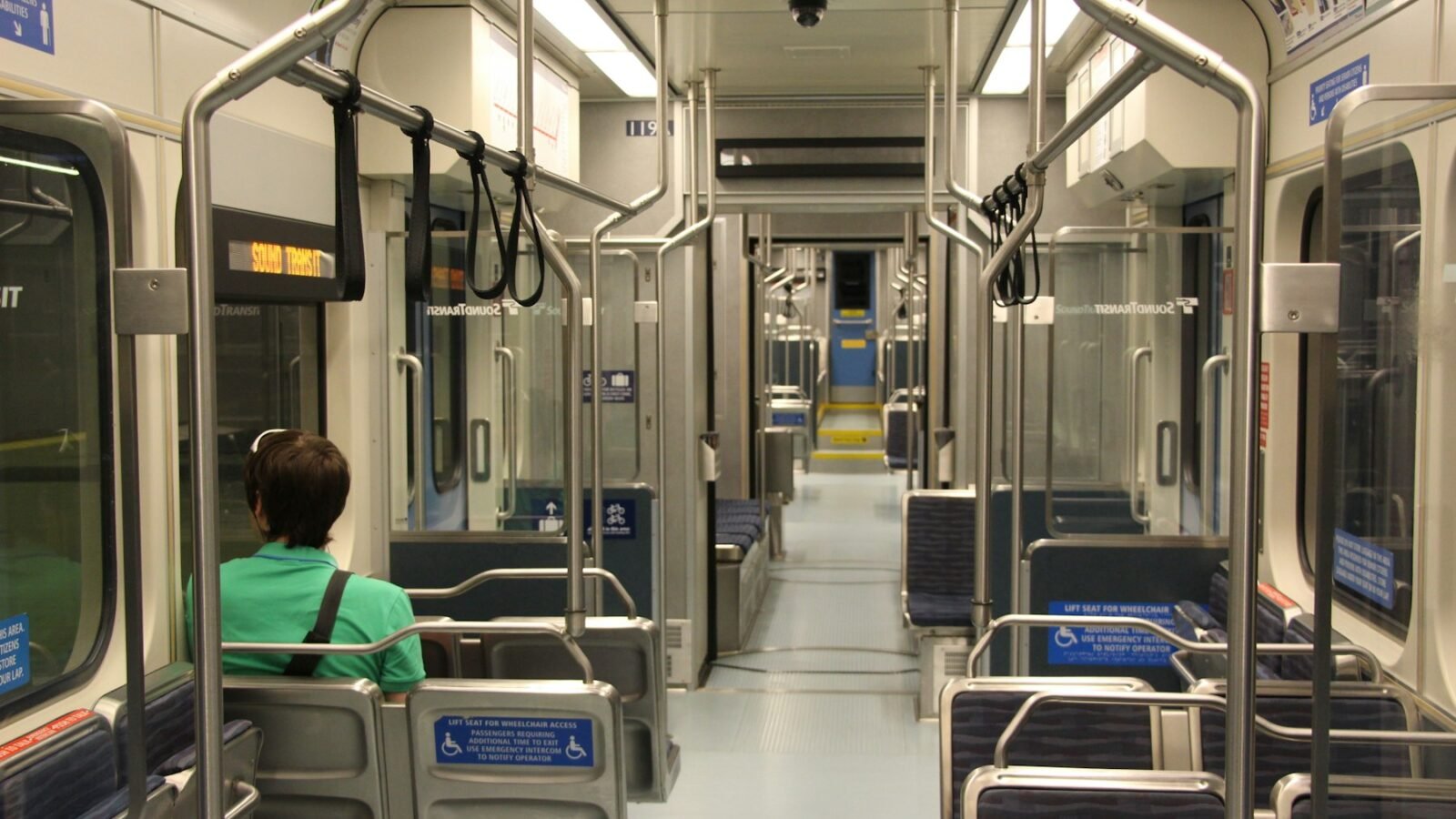
Sound Transit’s Link light rail has two lines that share tracks through the middle of the city.
- 1 Line: runs between Lynnwood and Angle Lake through downtown Seattle, and it serves Sea-Tac Airport. The ride from the airport to Westlake in downtown takes about 40 minutes.
- 2 Line: The Crosslake Connection opened on March 28, 2026. It completed the 2 Line and links Seattle and the Eastside across Lake Washington. It connects with the 1 Line at International District/Chinatown Station and added stations at Mercer Island and Judkins Park. Sound Transit’s estimate is 26 minutes from Bellevue to Westlake.
Frequency is good. Sound Transit says peak service at the new stations runs about every eight minutes, with 10 to 15 minutes the rest of the day. Where the two lines overlap, between Lynnwood City Center and International District/Chinatown, trains come roughly every 4 to 5 minutes.
Check the destination sign before you board. Some early-morning 2 Line trips stay on the Eastside and don’t serve Seattle. Also, going from the airport to Bellevue means taking the 1 Line and transferring to the 2 Line.
Buses: how you reach everything else
King County Metro runs most local bus service in Seattle, including RapidRide. RapidRide is Metro’s lettered network of frequent routes. Light rail doesn’t reach neighborhoods like Ballard, West Seattle, Fremont or Capitol Hill’s east side, so buses are how you get to them.
If you’re choosing where to live, compare bus frequency, not just distance. A neighborhood with a RapidRide line or a rail station is far easier to live in without a car. Our Seattle neighborhoods guide for newcomers can help you narrow your options.
Bus basics
- Board at the front and tap your ORCA card or a contactless card.
- Keep your proof of payment handy. Metro began asking riders for proof of fare payment on March 31, 2025.
- Use a trip-planning app to see real-time arrivals. Schedules are a guide, and live predictions are more reliable.
- Press the stop request strip or button before your stop.
Ferries: the scenic commute
Washington State Ferries run from downtown’s Colman Dock and from West Seattle’s Fauntleroy terminal. The Seattle–Bainbridge Island and Seattle–Bremerton routes both leave from Colman Dock. The Fauntleroy terminal in West Seattle serves Vashon Island and Southworth.
The Bainbridge ferry is the most popular for visitors who don’t have a car. Here’s what to know:
- The crossing takes about 35 minutes, and there are no reservations. You show up and board.
- The Seattle terminal is at Colman Dock, Pier 52, on the downtown waterfront.
- Walk-on passengers pay once, in Seattle, and the return ride to Seattle is free.
- As of September 2026, an adult walk-on fare was about $11.35. Fares change, so confirm on the Washington State Ferries website.
- Walk-on passengers board from the upper level, over the cars.
Foot passengers usually have the easiest ferry experience because they skip the vehicle line. If you want to see the island beyond the Winslow waterfront, plan on a bus, bike or rideshare after you land.
Other ways to fill the gaps
- Seattle Streetcar and Monorail: Both are short urban routes, and the Streetcar and the Seattle Center Monorail both accept ORCA LIFT. The Monorail is handy for Seattle Center events.
- King County Water Taxi: It’s a good alternative to the road for West Seattle and Vashon trips. Check the official schedule, which varies by season.
- Walking and biking: Many central neighborhoods are compact and walkable. Bikes are a good choice for flat stretches such as the Burke-Gilman Trail.
- Rideshare and car rental: Use them occasionally for trailheads, late nights or bulky errands. Renting for a day is often cheaper than owning.
For weekend trips, see our guide to easy hikes near Seattle for beginners. Some trailheads can be reached only by car, so check access before you plan a car-free day.
Paying for transit: ORCA and tap-to-pay
ORCA is the regional fare card, and it works across most agencies in the Puget Sound region. You add E-purse value or a pass to the card, then tap it when you board. An adult ORCA card costs $3. You can also pay with a contactless debit or credit card, or with the Transit GO Ticket app.
- Adult fare: The single-ride fare on Metro is $3.00. Light rail is a flat $3 for adults. On the 1 and 2 Lines you only need to tap before entering the fare-paid zone.
- Day pass: The regional day pass costs $6 for adult fares up to $3. It pays off if you take three or more rides in a day. It won’t cover a ferry fare.
- Youth: Riders 18 and under ride free.
- Reduced fares: One-way fares on Sound Transit are $1 for ORCA LIFT riders and for seniors and riders with disabilities who qualify for a Regional Reduced Fare Permit. Note that ORCA LIFT doesn’t apply to Washington State Ferries.
Fares have changed before and may change again, so check the Sound Transit and King County Metro websites before a long trip.
Tips
- Plan around the rail line. If you’re apartment hunting, choose a place within a short walk of a station or a RapidRide stop.
- Download a trip planner and use live arrivals. Check service alerts before heading out.
- Pack for rain. You’ll spend time waiting at stops. See our Seattle weather by season guide for what to wear.
- Leave extra time for ferries and airport trips. Build in a buffer for lines and boarding.
- Stay aware at stations. Keep your belongings close and your phone out of sight when you board late at night.
- Keep a backup plan. Know a second route or have a rideshare app ready in case of a disruption.
FAQ
Can I get from Sea-Tac Airport to downtown without a car?
Yes. Take the 1 Line from the airport station to downtown. It takes about 40 minutes to reach Westlake Station. You tap a card or pay at a ticket machine before boarding.
Do I need an ORCA card to ride?
No, but it’s convenient. Metro and Sound Transit also accept contactless credit and debit cards, and you can buy tickets with the Transit GO Ticket app. An ORCA card makes transfers between agencies simpler.
Is Seattle realistic without a car?
It depends on where you live. Neighborhoods along the light rail line or on frequent bus routes work well. More remote areas can be hard without a car, so test your commute during rush hour before you commit.